Digital care & DiPA
The number of people in need of long-term care in Germany has been rising significantly for years. By the end of 2024, more than 6 million people already needed care; since the 2017 care reform, the average annual increase has been around 326,000 people. Given demographic trends, this number can be expected to continue rising in the coming years. If this trend continues and the classification criteria remain unchanged, it could reach around 8 million by 2040, equivalent to around 10 per cent of the population. At the same time, it is becoming increasingly difficult to meet the growing demand for nursing staff, and the nursing shortage is worsening. Against this background, digitalisation in care can help to provide effective relief both for people in need of care and for nursing professionals.
What does digitalisation in care mean?
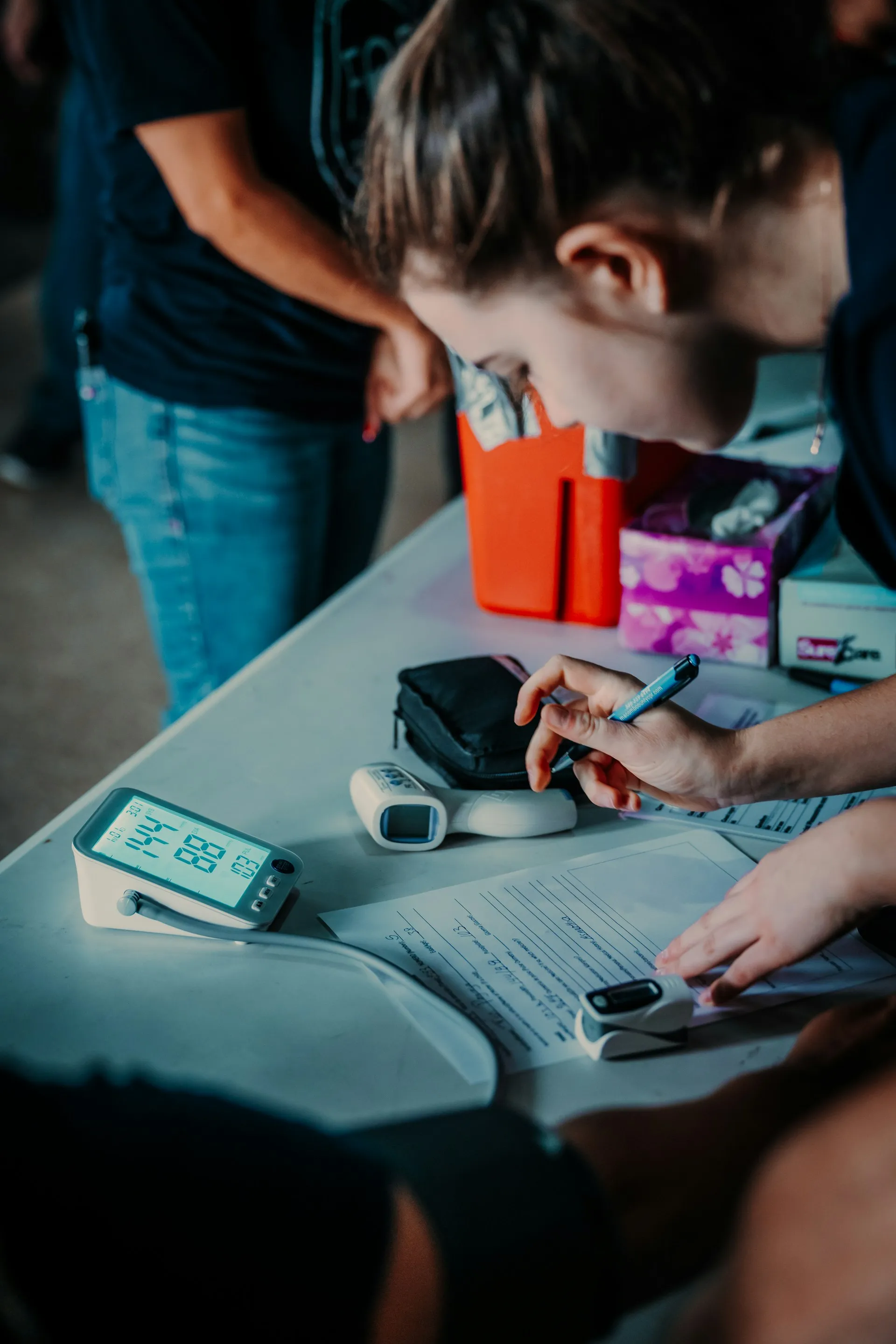
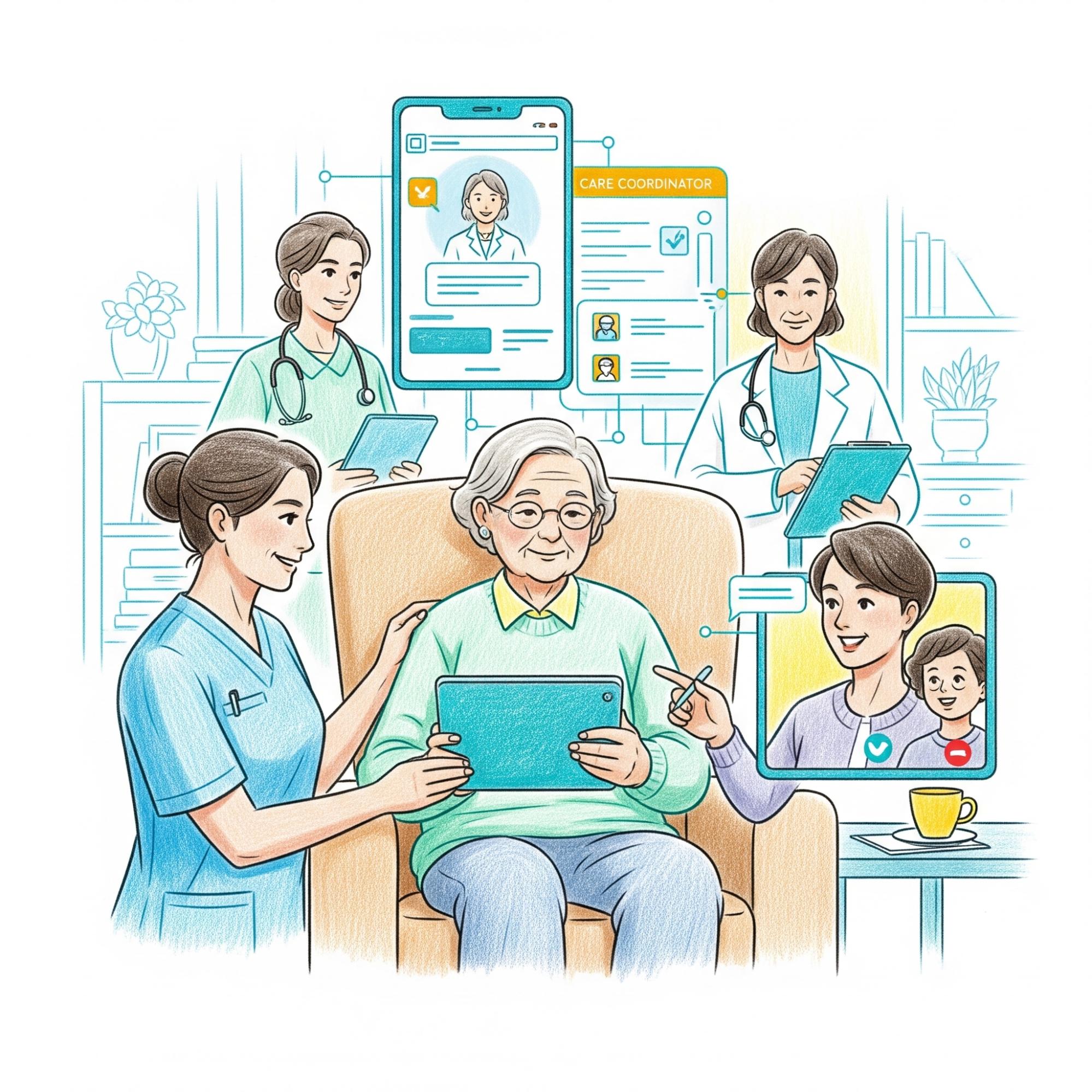
The term "digitalisation in care" describes digital technologies and concepts for the care sector. The aim is to use digital solutions to support people in need of care, their relatives and nursing professionals.
What digital solutions are available for the care sector?
The many solutions for "digitalisation in care" can be divided into the following categories.
Connecting the care sector to the telematics infrastructure (TI)
Since 1 July 2025, all inpatient care facilities and outpatient care services have been required to connect to the telematics infrastructure (TI). This links the care sector digitally with other stakeholders in the healthcare system, such as doctors' practices, pharmacies and hospitals. Once connected to the TI, care facilities, care services and people in need of care can also use the ePA (electronic patient record). To access the TI, care facilities and services need a number of technical components, including the electronic health professional card, the institution card and a connector or TI gateway.
Telecare and digital training
In telecare, care-related counselling and training services are provided digitally, above all via video call. Examples include:
- Care counselling under Section 7a SGB XI
- Advice and guidance from nursing professionals for people in need of care and their relatives under Section 37(3) SGB XI (currently limited until 31 March 2027)
- Online training courses with practical care knowledge for relatives or volunteer carers, which many statutory health and long-term care insurers offer free of charge.
Digital care applications (DiPA)
DiPA (digital care applications) are smartphone apps or web-based applications that support people in need of care and their relatives in everyday care. Similar to DiGA, DiPA are assessed for safety and functional capability by the Federal Institute for Drugs and Medical Devices (BfArM) before they can be included in the DiPA directory. As of summer 2025, no digital solution had yet been listed in the DiPA directory. On application, statutory long-term care insurance contributes to the costs of listed DiPA up to a maximum of 53 euros per month.
DiPA offer, for example, exercises to reduce the risk of falls or personalised memory games for people with cognitive impairments. DiPA can also support collaboration between carers, people in need of care and relatives.
Digital assistance systems
The umbrella term "digital assistance systems" covers various digital solutions that either make care work in facilities easier or enable people in need of care to remain in their own homes:
- Assisted living at home (Ambient Assisted Living (AAL), smart home): Sensors and digital aids provide support in everyday life and in managing illnesses. They can also control technical devices automatically and monitor the condition of older people so that action can be taken in an emergency. A well-known digital assistance system is the home emergency call service. Other examples for the home are fall mats and digital medication dispensers.
- Digital care facility: Digital assistance systems can make work in care facilities easier. Examples include electronic care documentation systems with voice input, fluid and nutrition logs created with the help of artificial intelligence (AI), digital wound documentation, sensors for fall detection and smart care beds that automatically record and document vital signs. Another option is assistance robots that can carry out routine tasks such as distributing meals and medication. In outpatient care, AI-based solutions can take over route planning for care services.
- Virtual hospital: Similar to telemedicine in the medical sector, digital solutions can connect nursing professionals in different hospitals so that they can support each other with consultations. One example is the "Virtual Hospital NRW" (Virtuelles Krankenhaus NRW) with its teleconsultation network in intensive care.
What are the benefits of digitalisation in care?
People in need of care, relatives and nursing professionals can all benefit from digital solutions in care:
- They enable older people to live independently, without outside help, for as long as possible.
- They can help to reduce risks in the everyday lives of people in need of care.
- They can improve healthcare for people in need of care.
- They can relieve and support relatives and nursing professionals.
- They can simplify communication between people in need of care and those around them.
What obstacles stand in the way of digitalisation in care?
Digitalisation in care is still in its early stages in Germany. Various obstacles make it difficult to use digital solutions widely in the care sector, for example:
- Funding: People in need of care generally have to bear the costs of digital support themselves. The statutory long-term care insurers cover them only in part and in individual cases (for example, home emergency call services) if a care level has been assigned. In addition, cost coverage for DiPA is limited to a maximum of 53 euros per month, and telecare services are currently only covered to a limited extent by statutory long-term care insurance. Operators of care facilities have to finance digital solutions from their existing remuneration budget unless they take part in digitalisation pilot projects.
- Regulation: The current legal framework makes it difficult to introduce digital solutions in the care sector. For example, as of summer 2025 no digital solution had been included in the DiPA directory, even though the legislator created the legal framework at the end of 2022. One reason is the complex regulatory requirements, which differ considerably from those for DiGA (digital health applications). They make it difficult to provide DiPA to people in need of care. In care needs assessments by the Medical Service of the Health Insurance Funds (MDK), too, the current legal situation prevents digital options from being fully exploited.
- Information and digital skills: Many people in need of care and their relatives are not aware of the digital options and their benefits.
Outlook: the future of digitalisation in care
For digital development in care in Germany to progress, it is important to improve the legal and financial framework. On the one hand, this would allow the digital concepts mentioned above to be expanded further. On the other hand, new areas of application for digitalisation in care could be created. For example, the option of a digital care needs assessment by the MDK would make things easier for everyone involved. The same applies to many administrative processes between insured persons and the statutory long-term care insurers, such as submitting applications digitally.
Answers to frequently asked questions about digitalisation in care
What does digitalisation in care mean?
"Digitalisation in care" covers a wide range of digital solutions that can support people in need of care, their relatives and nursing professionals and make care easier.
What are examples of digitalisation in care?
Aspects of digitalisation in care include connecting the care sector to the TI, DiPA, telecare and digital assistance systems. The latter can support both people in need of care and care facilities.
What are the benefits of digitalisation in care?
Digitalisation in care offers benefits for people in need of care, relatives and carers alike. For example, digital aids allow people in need of care to live independently at home for longer. Digitalisation can relieve outpatient and inpatient care facilities of routine tasks and simplify processes.
Do you have any questions?



.png)
.webp)