Telemedicine
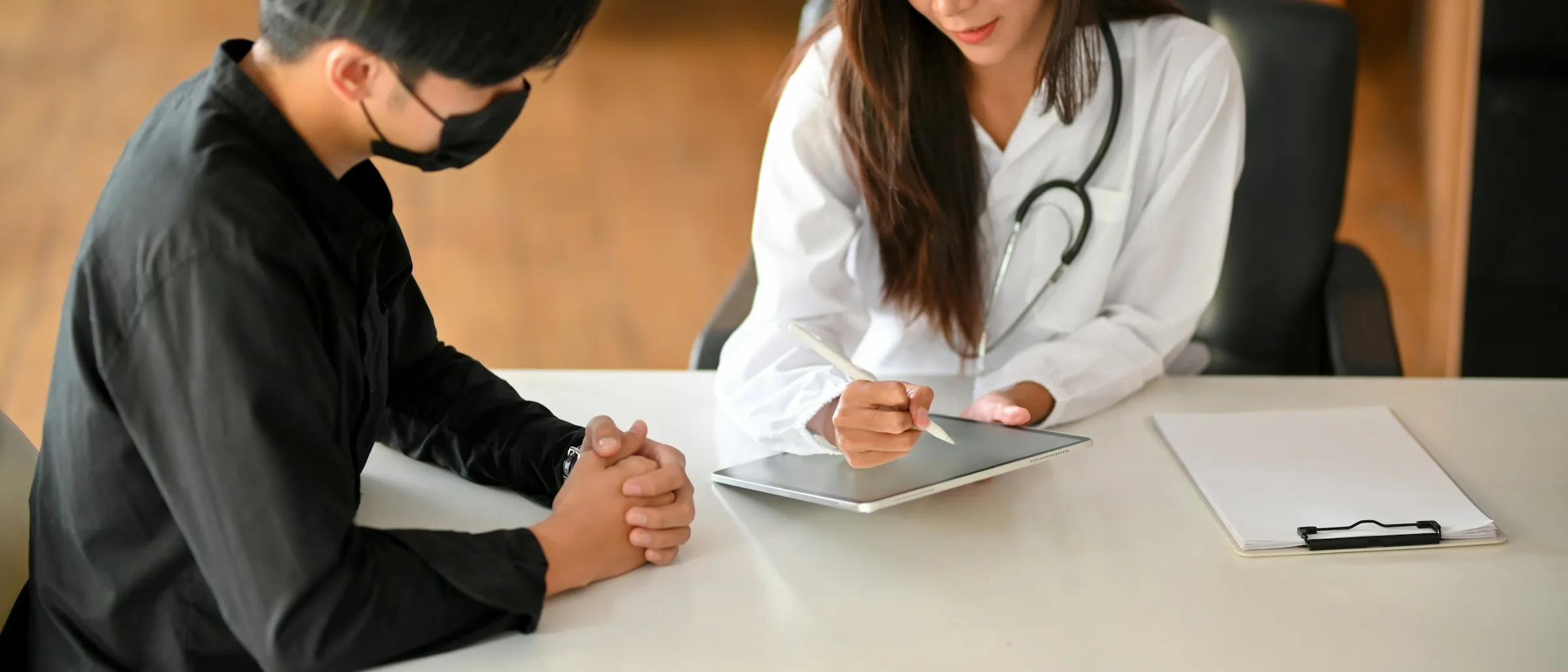
Telemedicine makes it possible to provide medical services and information over long distances and offers a range of benefits such as better accessibility, efficiency gains and faster medical care. During the COVID-19 crisis in particular, telemedicine proved its crucial role by giving patients access to medical care without having to be physically present.
What is telemedicine?
Telemedicine is an umbrella term for various health services based on information and communication technologies that are used to treat people and exchange medical information despite physical distance.
What is the aim of telemedicine?
A primary aim of telemedicine is to close gaps in care, especially in rural and underserved regions.
How is telemedicine used today?
There are many ways to deliver healthcare via telemedicine. Two principles can be distinguished:
1. Synchronous telemedicine
In synchronous telemedicine, the participants communicate in real time. This means they are present at the same time and can interact directly.
Examples include:
- Doctor ⬄ patient: video consultation; telemonitoring of heart failure
- Doctor ⬄ doctor: teleconsultation to discuss findings
2. Asynchronous telemedicine
In asynchronous telemedicine, by contrast, the participants communicate with a time delay.
Examples include:
- Doctor ⬄ patient: exchanging information by email or chat; completing online symptom questionnaires and tests
- Doctor ⬄ doctor: exchanging medical information, for example via the ePA (electronic patient record)
Current examples of telemedicine in practice
Telemedicine concepts are used in many areas of healthcare, including these well-known examples:
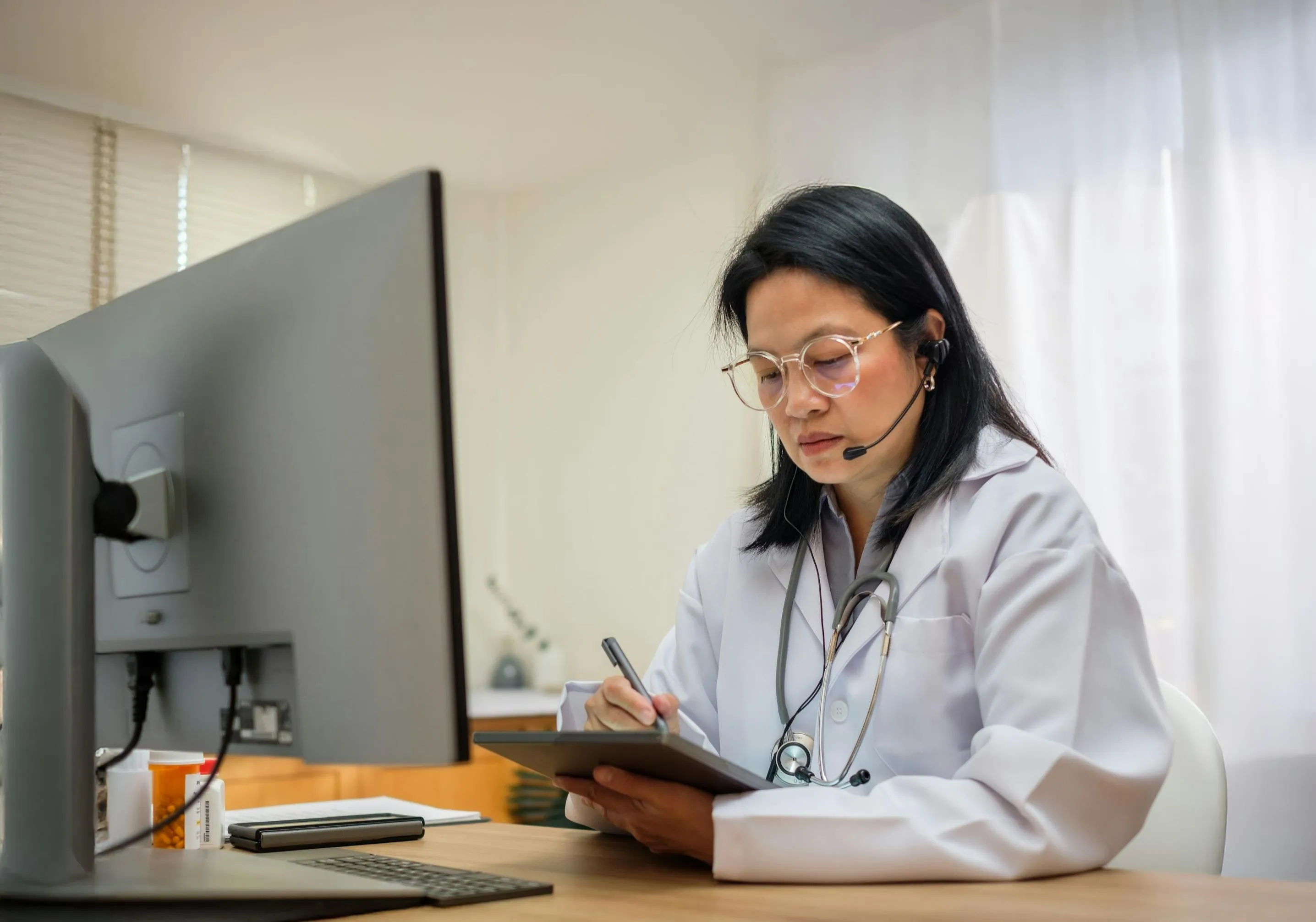
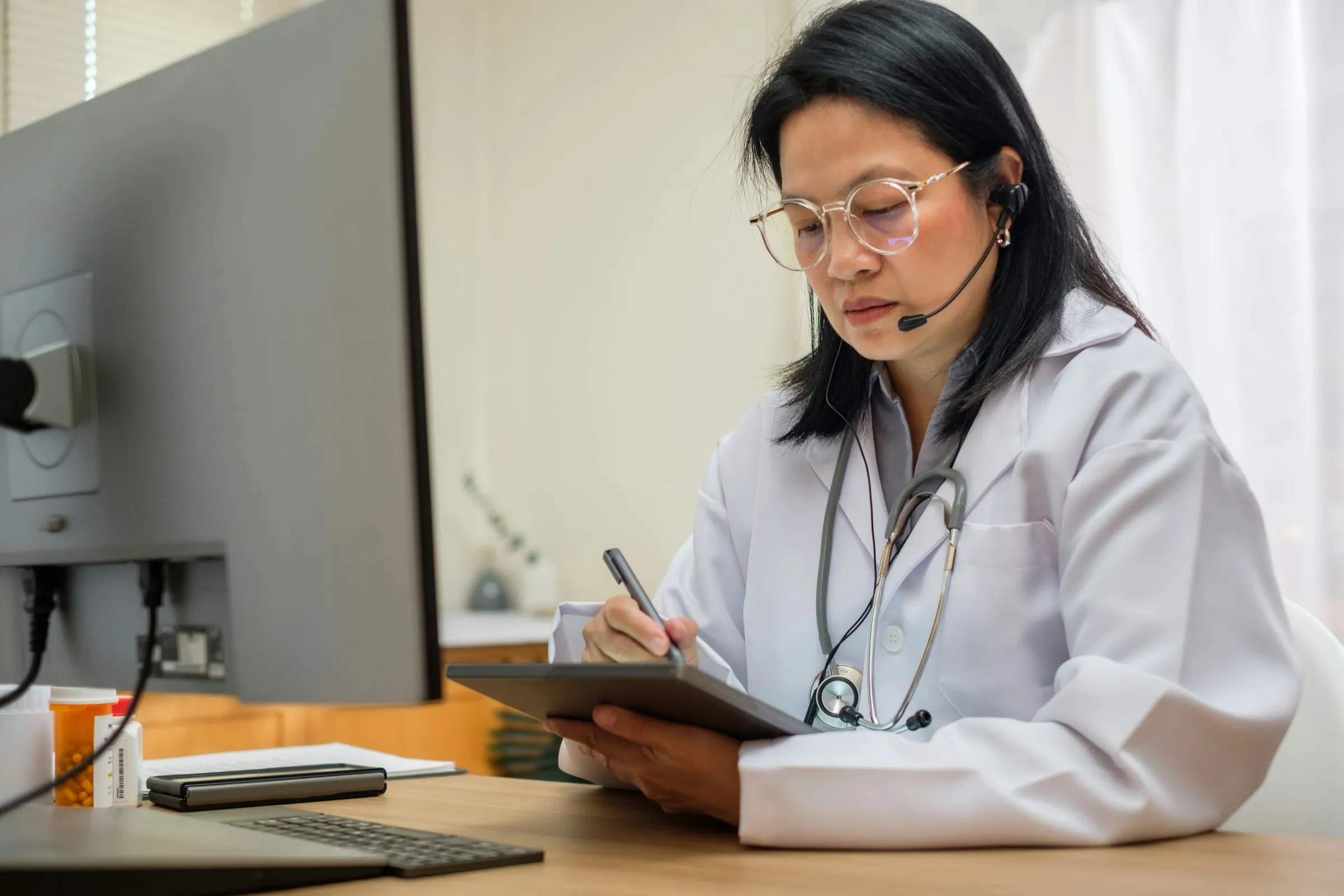
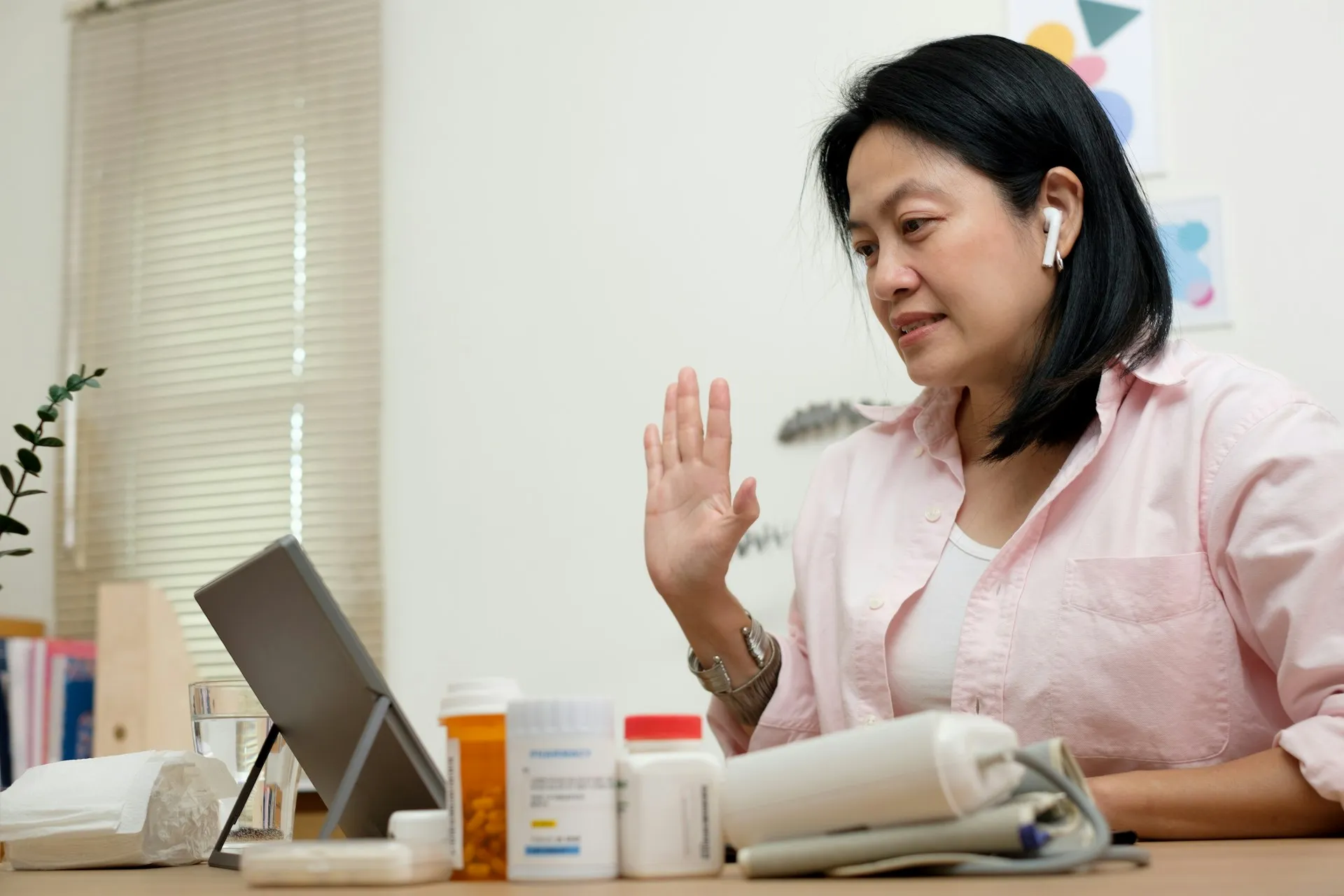
- Video consultation: Doctors and psychotherapists can treat their patients by video conference without patients having to come to the practice in person. During a video consultation, doctors can issue electronic prescriptions (e-prescriptions) and certificates of incapacity for work.
- Telemonitoring for people with heart failure: Using special measuring devices, patients with advanced heart failure can transmit medical data to a telemedicine centre. There, specialists evaluate the information and involve the treating doctors where necessary. They can intervene before the condition worsens and hospital admission becomes necessary.
- Teleconsultations between doctors, psychotherapists and dentists: For example, doctors can exchange patient-related medical information digitally and consult each other on it, either in real time or with a time delay. The patients concerned can also take part. Another example is teleconsultations in emergency and acute care, where emergency services at the scene of an accident work together with doctors who order examinations or treatments. So-called tele-stroke units also fall under teleconsultations. They enable people who have had a stroke to receive the best possible care in smaller hospitals, as experts from larger hospitals support their colleagues on site via telemedicine.
- Tele-home visits by non-medical professionals: Medical assistants (MFA) or nursing professionals can carry out home visits and certain (delegable) medical services, such as wound care or measuring vital signs. During these visits, they can bring in the responsible doctors by video.
Opportunities of telemedicine
Patients, psychotherapists, doctors and health professionals can all benefit from telemedicine services:
- Easier access to care: Telemedicine provides medical care especially for patients who can only get to a practice or hospital with great effort. This applies to people in rural regions with few care services or to patients with limited mobility, for example after surgery or due to a disability.
- Reduced risk of infection: People with infectious diseases can be treated at home without infecting others in the waiting room or on public transport. Many people benefited from this advantage of telemedicine during the COVID-19 pandemic.
- Improved care: Telemonitoring of heart disease, for example, makes it possible to detect deterioration in good time and to intervene before those affected need hospital treatment.
- Better networking: Telemedicine also supports networking between care providers. Teleconsultations mean that people in emergencies or outside the highly specialised centres in urban areas can receive the best possible care.
- More efficient care: The direct, digital exchange of information simplifies and speeds up processes in doctors' practices and hospitals. This means more patients can be treated in less time.
- Tackling the shortage of skilled staff: In rural regions, it is becoming increasingly difficult to find successors for doctors who are retiring. The same applies to filling vacancies in smaller hospitals. Telemedicine structures can connect people in rural regions to care services in cities, so that they can continue to receive care despite a shrinking medical infrastructure.
- Lower costs: Overall, telemedicine can help to reduce healthcare costs.
Challenges and obstacles for telemedicine
Telemedicine care concepts offer compelling benefits for everyone involved. Nevertheless, numerous obstacles stand in the way of widespread use of telemedicine:
- Technology: Poor internet infrastructure hampers the use of data-intensive telemedicine, particularly in the rural regions that could benefit most. In addition, not all technical components work together seamlessly (lack of interoperability).
- Regulation: The current legal framework restricts the widespread use of telemedicine. All patients should have access to telemedicine services at any time and without volume limits. This is the only way to overcome regional bottlenecks and gaps in care.
- Funding: Telemedicine services are remunerated less favourably than conventional care, or not at all. Equal remuneration for video and in-person consultations would be a right first step. In general, however, telemedicine needs a new remuneration structure, for example with supra-regional budgets and differentiated remuneration for acute and long-term care services.
Outlook: the future of telemedicine
In the coming years, everyone involved will face the task of maintaining the high quality of healthcare in Germany despite multiple challenges. The growing shortage of skilled staff and an increasing urban-rural divide will further exacerbate existing bottlenecks in care. Telemedicine can offer solutions for greater security of care across the country.
In addition to the familiar services, new telemedicine services will become established, for example:
- The Digital Act (DigiG) now makes it legally possible to use DiGA (digital health applications) for the telemonitoring of patients.
- Hybrid care models in which DiGA accompany and support medical treatment via telemedicine are also conceivable.
- Connecting DiGA to the telematics infrastructure (TI) could simplify secure communication between patients, doctors and psychotherapists.
However, the future of telemedicine depends on important factors:
- Adequate funding of telemedicine services
- Barrier-free access to, and better information about, telemedicine services for patients and practitioners
- Greater acceptance of telemedicine by everyone involved in care
Answers to frequently asked questions about telemedicine
What is telemedicine?
The term telemedicine covers health services that are provided with the help of information and communication technologies despite physical distance.
How do synchronous and asynchronous telemedicine services differ?
In synchronous telemedicine services, the participants communicate at the same time; in asynchronous telemedicine services, they communicate with a time delay. Examples are the synchronous video consultation and the asynchronous exchange of information by email.
What are the benefits of telemedicine?
Telemedicine can help to close gaps in care and make access to medical care easier. It can improve care and make it more efficient. Telemedicine also offers one approach to tackling the shortage of skilled staff.
What challenges are holding telemedicine back?
Technical obstacles, unresolved funding issues and regulatory restrictions currently hinder the widespread use of telemedicine.

Do you have any questions?